
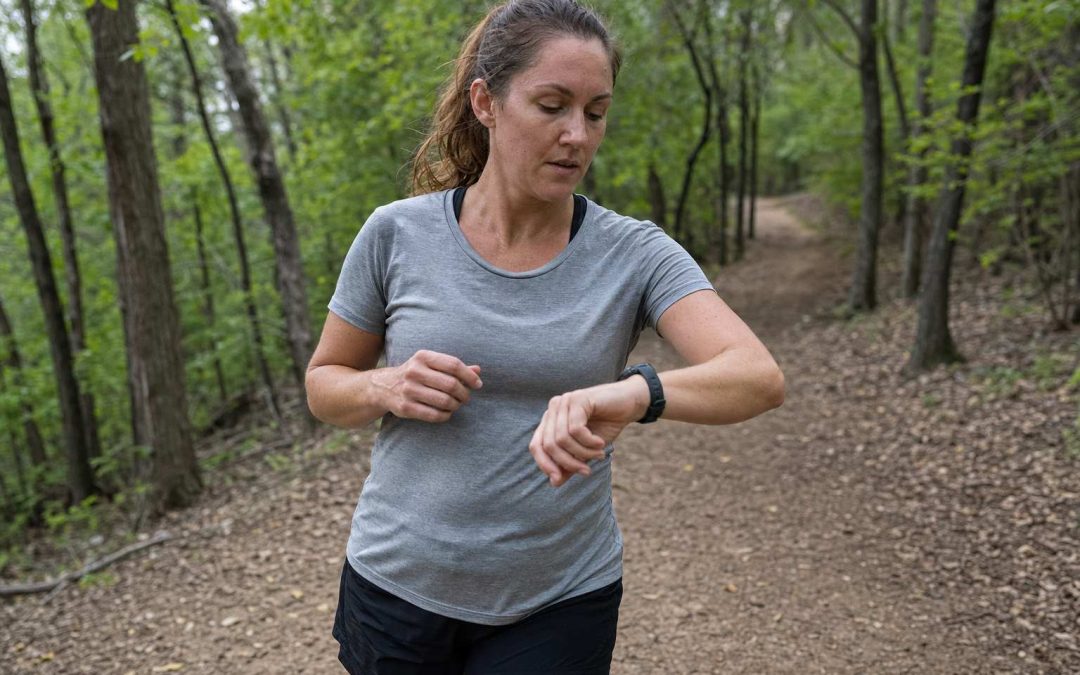
Building up to longer runs is mostly patience, not toughness. Go slow enough, run often enough, and add distance gradually enough that your body keeps up, and the miles take care of themselves.
Distance running does not ask much in the way of gear or talent. The real skill is learning to add miles without breaking yourself in the process. Here is what actually helps.
Start Slower Than Feels Right
Your first longer runs will feel hard. Your breathing is heavy, your muscles complain, and your body resists the extra work. That is normal, and it passes faster than you expect once you run regularly.
Run at a pace where you could still talk. It will feel almost too gentle. Good. That is exactly where you build endurance. Pick a route that is not too far and not too ambitious, and let it feel easy.
Build Up By About 10 Percent
Once a run feels comfortable, you can start adding distance. The single most useful rule here: add no more than about 10 percent to your weekly running.
It feels slow, but it is the difference between steady progress and a stress injury that sidelines you for a month.
Run three to five times a week with rest days in between. The rest days are not wasted time, they are when your body adapts and gets stronger.
Shoes That Actually Fit
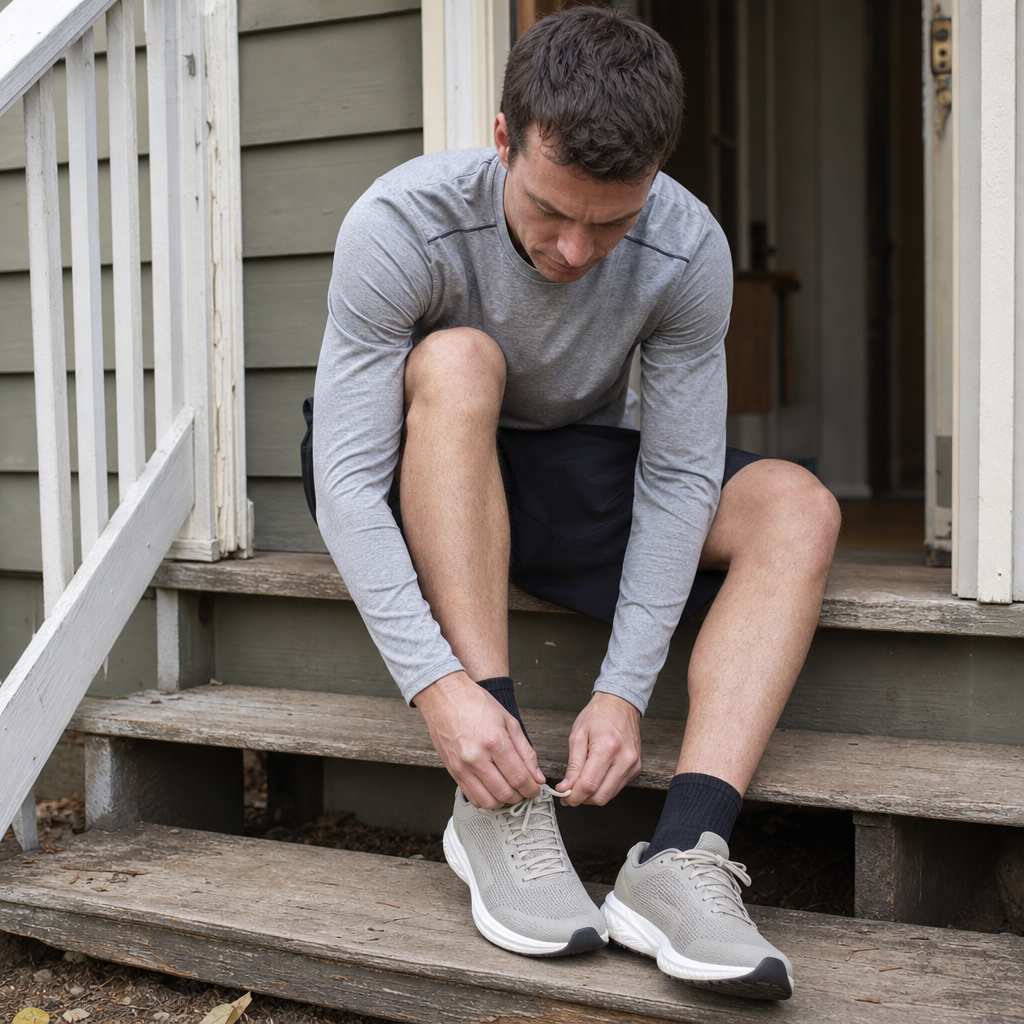
Good shoes matter more than any other piece of gear. They should fit well and feel comfortable from the first wear.
Leave about a thumb’s width between your longest toe and the end of the shoe, so your toes are not jammed on long downhills. That one detail prevents the bruised toenails distance runners know too well.
If you are not sure where to start, see how to choose running shoes.
Fuel and Water
Longer runs need fuel. Carbohydrates are the main one, since they top up the energy your muscles burn on the way. Run low on them and your legs go heavy and your endurance drops.
Water matters all the way through, too. Make it a habit to stay hydrated on your runs, and pay attention to what to eat before and after running so you are not running on empty.
Keep a Simple Log
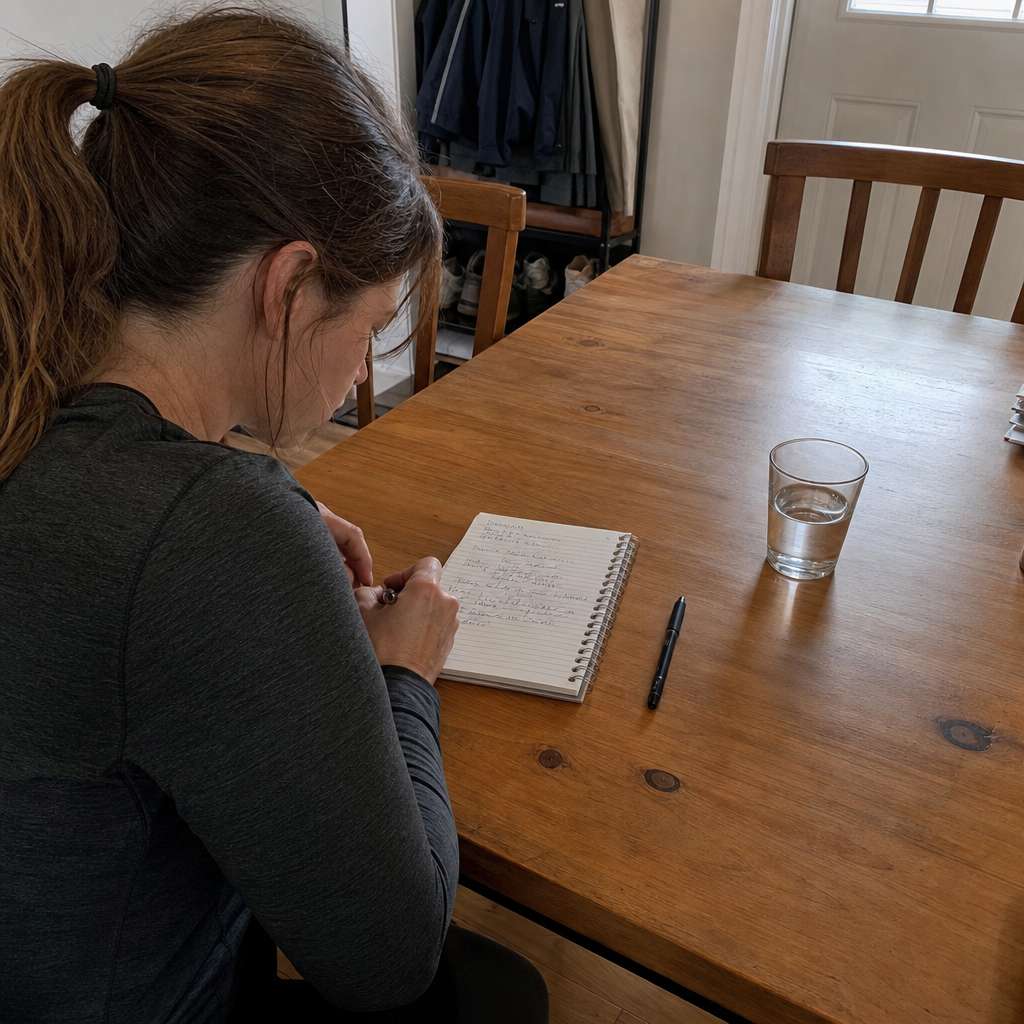
Besides shoes, a training log is the most useful tool you have. A notebook or a free app is plenty. Jot down your distance, how you felt, any aches, and your rest days.
It keeps you honest about that 10 percent rule, shows you progress on the weeks it feels like there is none, and helps you spot a niggle before it becomes an injury.
That last point matters. If you want the bigger picture on staying healthy as you ramp up, read how to prevent running injuries and the full picture of the risks and benefits of long-distance running.
And if motivation is the real hurdle, building a running habit that sticks is the place to start. When you are training toward an actual race, it helps to know what to do the day before a marathon.