
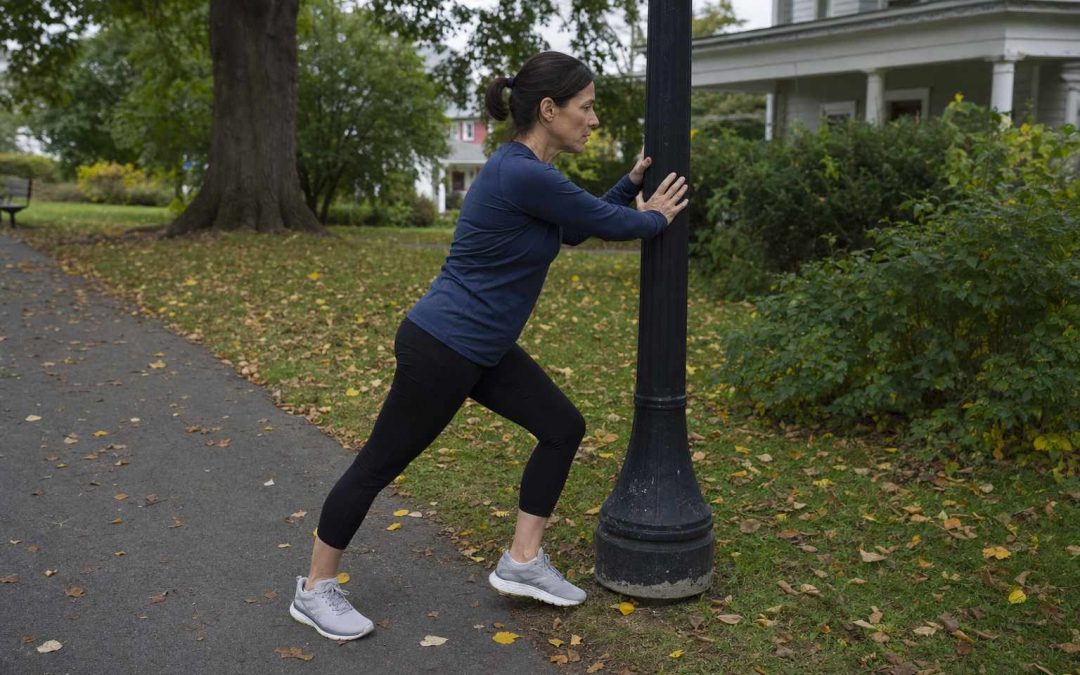
Most running injuries are not bad luck. Sports medicine research on recreational runners keeps pointing to the same cause: overuse from doing too much, too soon, before the body has had time to adapt.
That is the bad news and the good news. If habits cause most injuries, better habits prevent most of them. You do not need to feel fragile about getting hurt. A few simple routines keep the common problems away.
The Most Common Beginner Injuries
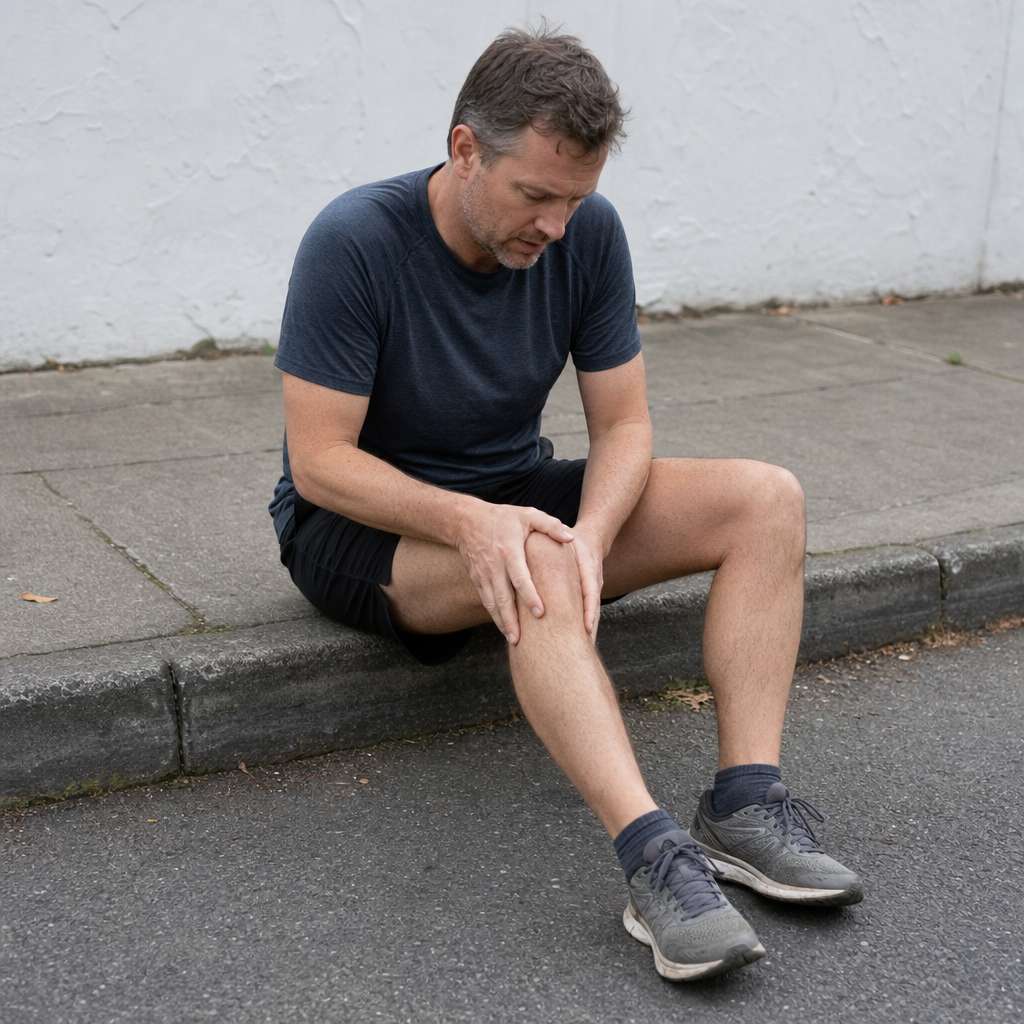
A handful of overuse injuries cause most beginner setbacks. Knowing them helps you catch them early.
- Shin splints: aching pain along the shin, common when mileage jumps.
- Runner’s knee: a dull ache around or behind the kneecap.
- Achilles or calf pain: tightness and soreness at the back of the lower leg.
- IT band pain: an ache on the outside of the knee on longer runs.
Most of these build up over time rather than striking all at once. That is good news, because it means you can usually catch them early.
Build Up Slowly
This is the single best thing you can do. Add distance slowly and your body gets the time it needs to adapt.
Add distance and time in small steps, not big jumps.
Mixing walking into your runs is one of the gentlest ways to build up. Planned run-walk intervals lower the pounding on your legs and cut injury risk, which makes them ideal for beginners and anyone coming back after a break.
Keep most of your runs easy, at a pace where you can talk. And take rest days. Muscles, tendons, and bones get stronger during recovery, not during the run.
Ease Into Each Run

Cold muscles do not like sudden effort. Start every run with a few minutes of brisk walking or very slow jogging.
A gentle start raises your heart rate and warms the tissues. It softens the jolt that aggravates shins and tendons. Save any faster running for later, once you feel loose.
Get Stronger
Running is repetitive, and stronger muscles handle that repetition better. A little strength work goes a long way.
A review in the British Journal of Sports Medicine found that strength training can sharply reduce sports injuries. You do not need a gym for it.
Two short sessions a week is enough to start. Focus on simple moves:
- Squats and lunges for your legs
- Calf raises for your lower legs and Achilles
- Bridges and side leg raises for your hips and glutes
Strong hips and calves protect the knees and shins that trouble most beginners.
Recover Like It Matters
Recovery is part of training, not a reward for it. Sleep is the most powerful recovery tool you have.
Aim for consistent, decent sleep, especially after harder runs. Easy days and full rest days matter as much as the running.
Gentle self-care helps too. Light stretching and using a foam roller for sore legs can ease tightness after a run. None of it needs to be fancy.
Learn to Read Your Pain
Not all pain means the same thing, and learning the difference saves a lot of worry.
Pinpoint pain in one spot means stop and check. A diffuse ache usually means ease off.
Diffuse pain spread over a broad area is usually muscle or tendon irritation. It is often manageable with rest, easier runs, and a few days of reduced load.
Pinpoint pain in one exact spot is different. It can signal a bone problem, such as a stress fracture, and calls for caution.
If you can cover the sore spot with a single fingertip, take it seriously. Pause running and consider seeing a professional.
High-risk areas for stress fractures include the shin, foot, and hip. Sharp, localized pain there is a clear stop sign. If it still hurts after a few days off, see a doctor.
Pay attention to your walk breaks too. Planned walk breaks are a smart tool.
But if you keep walking because you run out of gas, treat it as a signal that your pace or mileage has climbed faster than your fitness.
Losing a week to caution is better than losing a whole season to a stress fracture.
Where to Go From Here
You cannot prevent every ache, but you can avoid most serious ones. Build up slowly, get a little stronger, recover well, and listen to your body.
Pick one habit to start this week. Easing in with a simple first-month plan is the best place to begin, and steady running form takes pressure off your joints.