
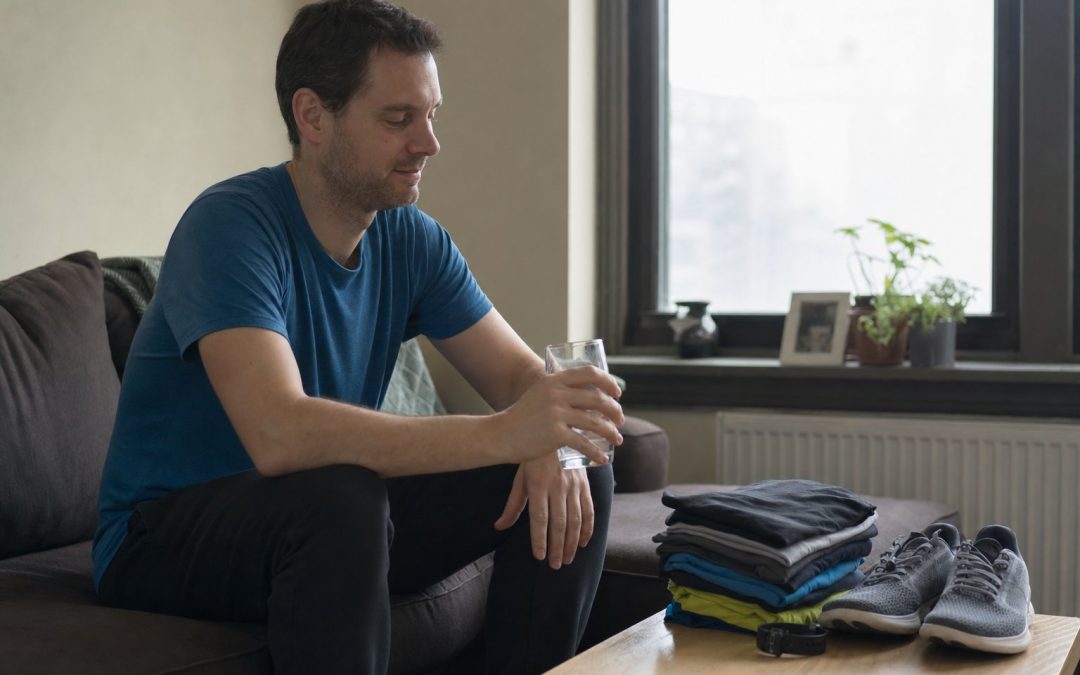
The day before a marathon, there is nothing left to train. The fitness is already banked from weeks of work, so the only job now is to not undo it.
That is the whole mindset for the day before a race. You are not building anything new now.
You are protecting the work you already did. A handful of simple things make the difference between a calm morning and a rough one.
Eat Normal, Eat Enough
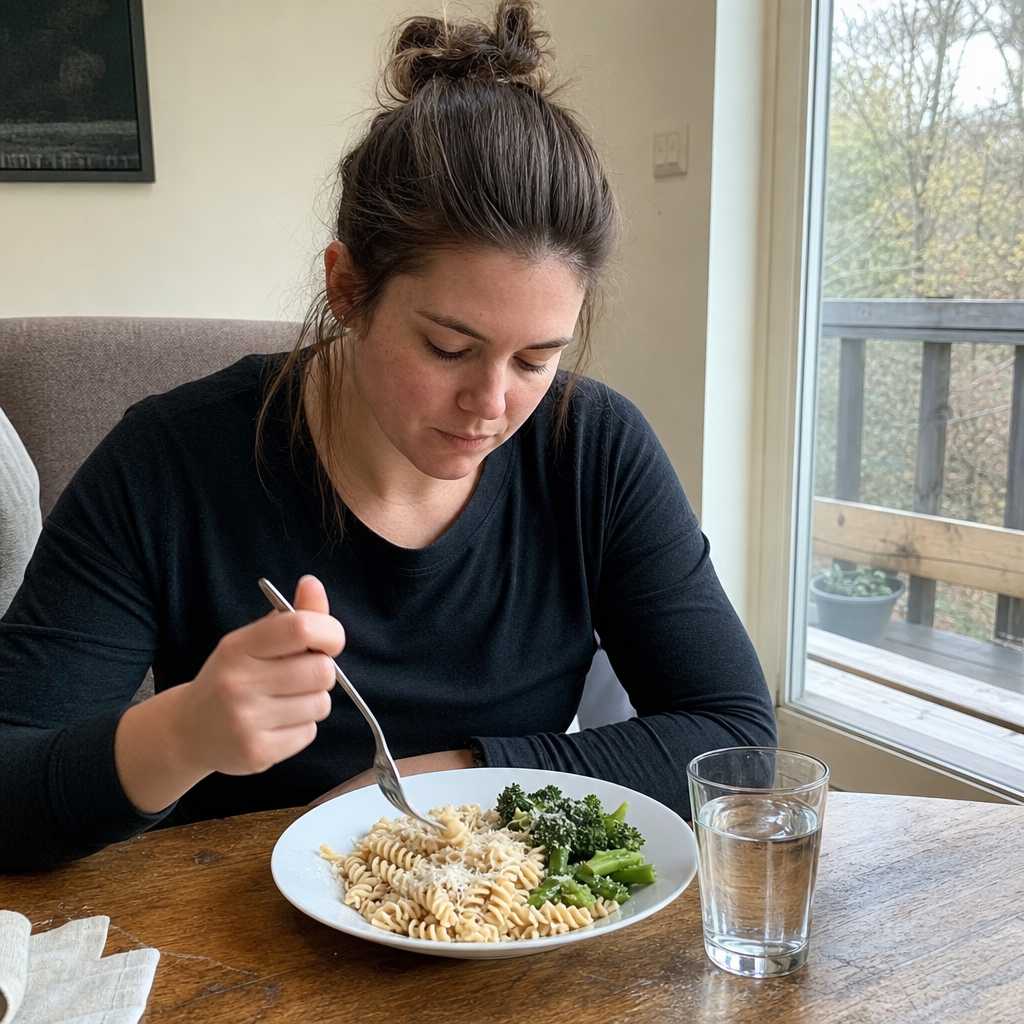
The day before is not the time to try a new diet or a meal you have never had.
Stick to food your stomach already knows, and lean a little heavier on carbohydrates, since that is the energy your body will draw on tomorrow.
Eat enough, but do not stuff yourself. A normal, slightly carb-heavy day is all you need. Avoid anything that has ever made you feel off.
Hydrate Early, Not All at Once
Start the day well hydrated rather than chugging water the night before. Sip steadily through the day so your body has time to actually use it.
You might not feel thirsty, and that is fine. Topping up gradually beats arriving parched or, just as bad, sloshing and over-full. The same easy habits from staying hydrated on your runs apply here.
Rest, Do Not Cram
Trust your training. One more session now changes nothing about your fitness and can only tire you out.
The best run is the one you actually do, most weeks.
You already did those runs. So spend the day on things that keep you calm, whether that is music, a slow walk, or just feet up.
If you genuinely cannot sit still, a very short, easy shake-out jog is fine, slow enough to hold a conversation, and no more.
Sleep, Then Lay Out Your Gear
Aim for a solid night of sleep, ideally around eight hours. Nerves can make race-eve sleep light, so the night before that one also counts, bank a good sleep two nights out as well.
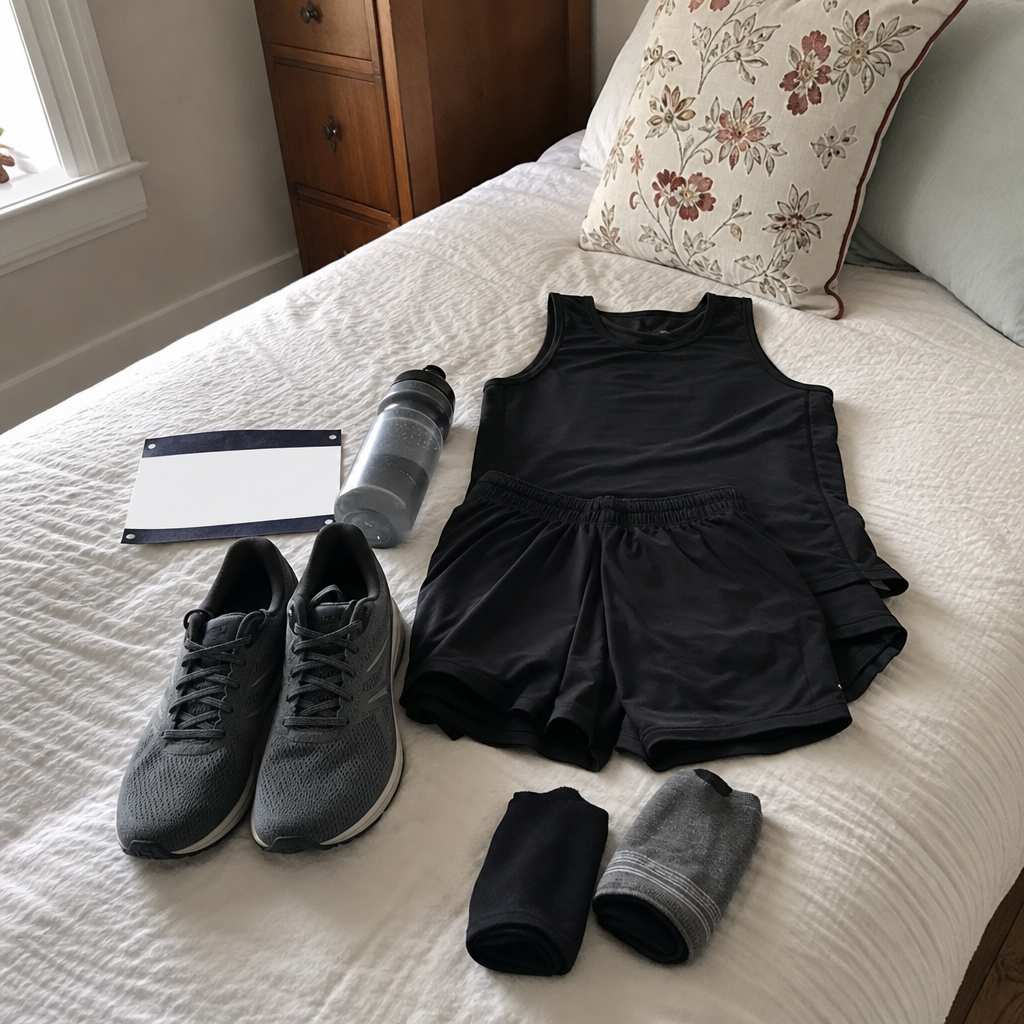
Then sort your gear the night before, not in a rush at dawn. Lay out your shoes, clothes, race number, and anything you carry. A simple checklist of running tools helps you not forget the small stuff.
Trim your toenails, sort whatever you are wearing, and remove the little annoyances before they can bug you mid-race.
Do these few things and you walk to the start rested, fueled, and calm.
If this is your first big goal, getting ready for a 5K race is a gentler place to practice the routine, and the training side is covered in tips on long-distance running.