
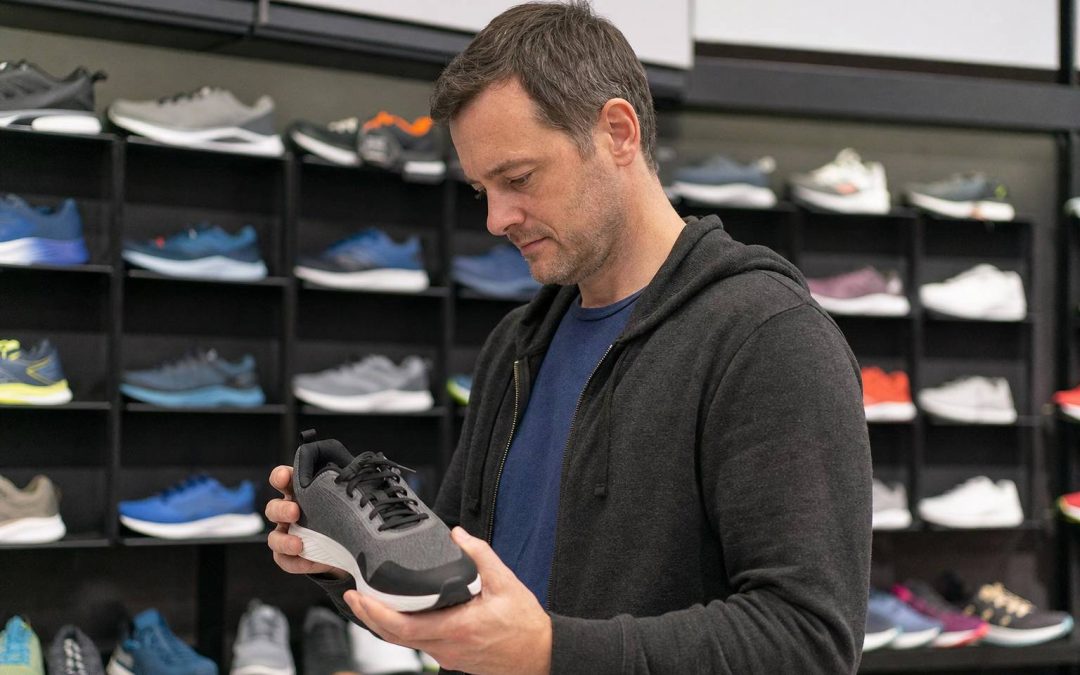
A shoe that everyone online recommends can still feel wrong on your foot.
It does not have to hurt. If a shoe is simply not comfortable, that is enough to put it back on the shelf.
That simple test can save you a lot of money.
The best first running shoe is not the most advanced or expensive one. It is the pair that fits your foot and feels good from the first step.
This guide cuts through the marketing so you can choose with confidence.
Ignore the Super-Shoe Hype
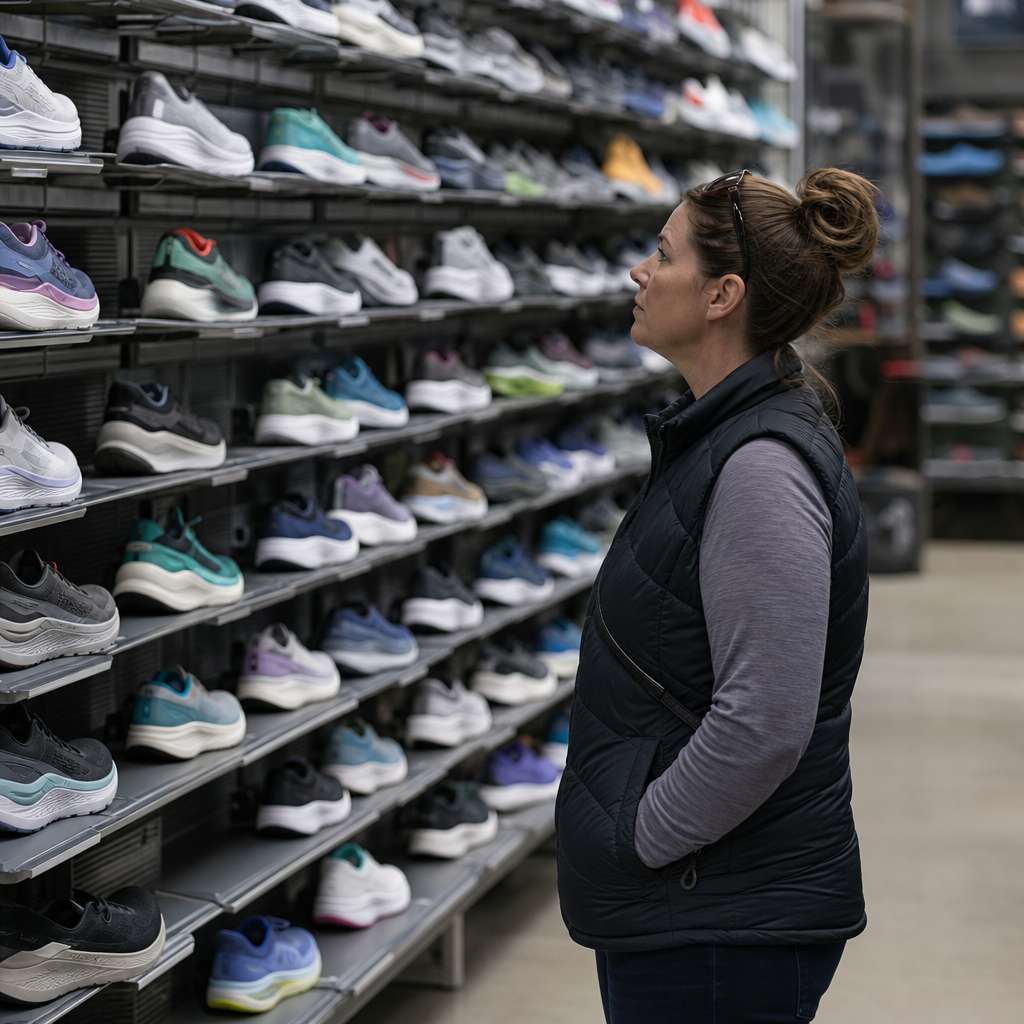
You have seen the headlines about carbon-plated “super shoes” breaking records. They are built for elite racing, not beginner training.
You do not need a shoe that runs for you. For everyday miles, that technology adds cost without helping a new runner.
Some coaches even warn against training only in stiff, plated shoes. Your feet get stronger when they are allowed to do their job. Save the race-day tech for later, if ever.
The Shoe Everyone Recommends May Not Fit You
A natural first move is to ask around. Beginners and veterans alike post in Facebook groups asking which shoe to buy.
It feels helpful, but there is a catch.
A model that one runner swears by suits their foot shape, stride, and weight. None of that promises it will suit yours.
Treat online advice as a short list of options to try, never as the answer. Your own fit test is the only verdict that counts.
The Real Test: Does the Shoe Disappear?
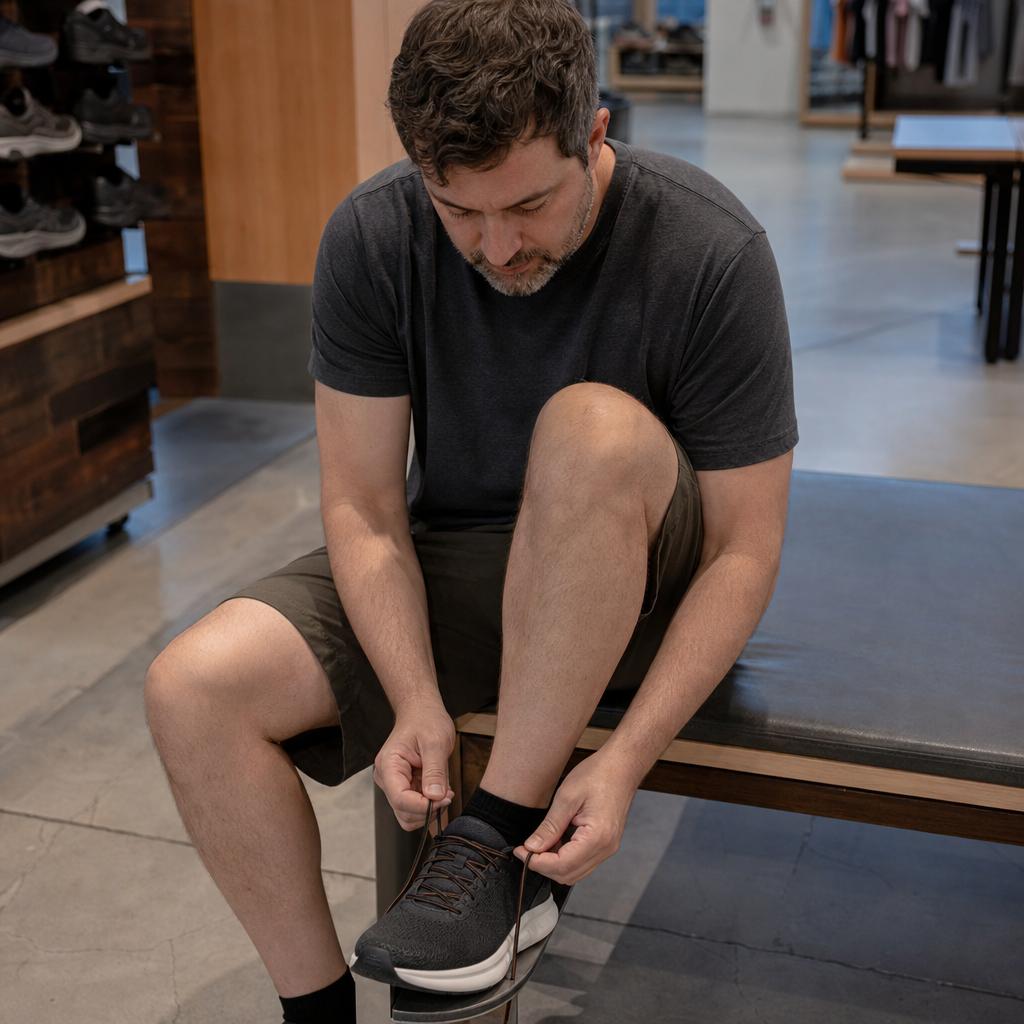
Here is a simple way to judge a running shoe. A good one is the pair you forget about a kilometer into your run.
If a shoe feels comfortable the moment you put it on, that is a strong sign. Running shoes should not need “breaking in” to stop hurting.
So try before you buy whenever you can. Lace them up, jog around the store, and trust how your feet feel. Comfort and fit beat every spec on the shoe box.
Know Your Foot Type
Your foot shape affects what feels good underfoot. Feet fall into three rough types: neutral, low arch, and high arch.
You can check yours with the wet-foot test. Wet the sole of your foot, step onto a piece of paper, and look at the print.
A full footprint suggests a low arch. A thin band on the outside suggests a high arch.
Something in between is neutral. This is not a diagnosis.
It is a clue to what might feel comfortable when you try shoes on.
More Cushioning and “Stability” Are Oversold
Thick, soft cushioning looks protective, but more foam is not always safer. Research has questioned whether heavy cushioning actually reduces impact or injuries.
Very soft shoes can also dull the feedback your feet use to balance. That can make your stride less steady, not more.
The same goes for “stability” or “motion control” shoes. They are sold to fix pronation, which is your foot rolling inward as you land.
Pronation is normal. It is one of the ways your leg absorbs shock, not a flaw you need to correct. Most beginners do not need a corrective shoe. A comfortable neutral shoe is a fine place to start.
Brand Matters Less Than You Think
Running shoe quality has improved across the board. Almost every major brand now makes at least a solid everyday trainer.
So do not get loyal to one logo. Try a few pairs with an open mind, and ignore whether a shoe is labeled men’s or women’s. The right shoe fits your foot, whatever the label says.
Once you know your foot type and what feels comfortable, you can compare beginner running shoes on Amazon to get a sense of styles and prices.
A Few Practical Buying Tips
A handful of small habits make shoe shopping easier:
- Shop later in the day, when your feet are slightly larger.
- Leave about a thumb’s width of room in front of your longest toe.
- Choose a shoe made for running, not a general walking or gym shoe.
- Match the shoe to your use. One comfortable everyday pair is plenty at the start.
- Replace shoes when the cushioning feels flat or your legs feel more beat up than usual.
If your weekly mileage climbs later, a second pair to rotate can help them last.
Where to Go From Here
Do not overthink this. Comfort and fit matter far more than foam names or carbon plates.
Pick a comfortable neutral shoe in your budget, and go run easy in it.
And remember, no shoe fixes your running for you. Good habits and steady proper running form do more than any upgrade. If you are just starting, a simple first-month plan matters more than the shoe on your feet.
Once the shoes are sorted, here is what to wear running without overthinking the rest.