

Most running habits do not fail from a lack of willpower. They fail from a plan that was too big to repeat.
The runners who stick with it are not more disciplined. They built a habit instead of chasing a goal.
Here is how to make running automatic, with a little help from the research on how habits actually form.
Why Big Goals Backfire
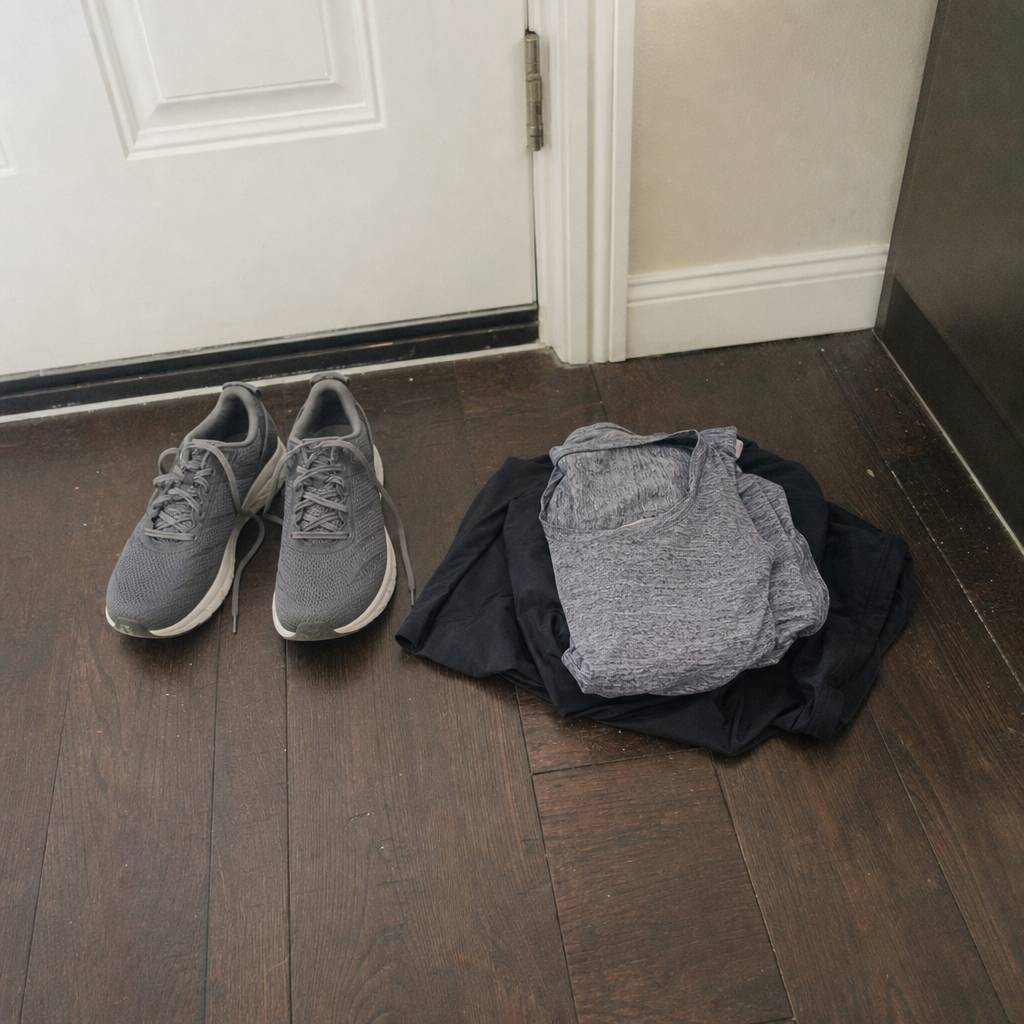
Ambitious plans feel great for about a week. Then life happens, you miss a session, and the whole plan feels broken.
The problem is not you. It is that the goal was too big to survive a normal busy week.
In the early days, mileage and pace barely matter. The real job is showing up often enough that running becomes part of who you are.
Start Absurdly Small
Make your first version of the habit so small it feels almost too easy. A 15 minute run-walk, three times a week, is plenty.
A tiny habit you repeat beats a big one you abandon. Once showing up feels normal, adding time is easy.
The best run is the one you actually do, most weeks. Protect the streak first, grow it later.
Anchor It to Something You Already Do
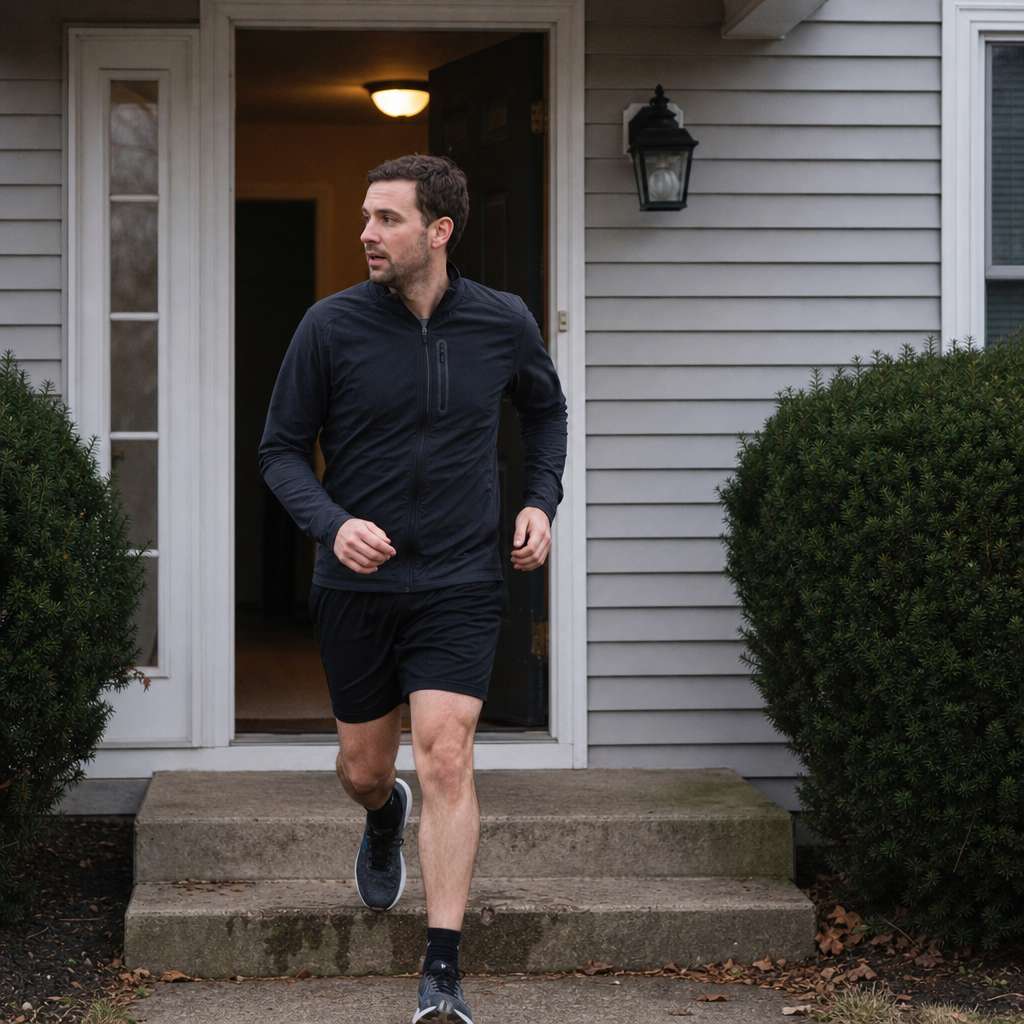
New habits stick better when they attach to an existing routine. Behavior researcher BJ Fogg calls this anchoring a new habit to a current one.
Pick a reliable anchor and run right after it:
- Right after your morning coffee
- Straight after dropping the kids at school
- The moment you get home from work, before you sit down
The existing routine becomes the reminder, so you rely less on motivation.
Decide When and Where in Advance
This one is backed by solid research. Psychologist Peter Gollwitzer found that people who decided in advance exactly when and where they would act were far more likely to follow through.
So do not just plan to “run more.” Plan “Monday, Wednesday, and Saturday at 7am, around the block.”
Vague intentions lose to a busy day. Specific ones survive it.
Do Not Break the Chain
Once you have a few runs in, the streak itself becomes motivating. Missing one feels like breaking something you have built.
If you do miss a day, the rule is simple: never miss twice in a row. One skipped run is life. Two becomes a slide.
On days you really cannot face a run, do the smallest possible version. A ten minute walk keeps the chain alive.
Give It About Two Months
People expect a habit to feel automatic in a week or two, then feel like failures when it does not.
A study from University College London found it took an average of about 66 days for a new habit to feel automatic. It ranged widely from person to person, so be patient with yours.
Around the two month mark, something shifts. You stop forcing the run and start missing it when it is gone.
Make the Reason Your Own
Outside pressure to run rarely lasts. “I should exercise” fades the first busy week.
A reason that is genuinely yours holds up better. Maybe you want to feel less stressed, sleep better, or simply prove to yourself that you follow through.
Start small, anchor it, plan it, and protect the chain.
If you need a gentle structure, a simple first-month plan is built for exactly this, and remember it is always fine to walk on the days that is all you have.
Once the habit holds, you might even find yourself eyeing a first 5K.