
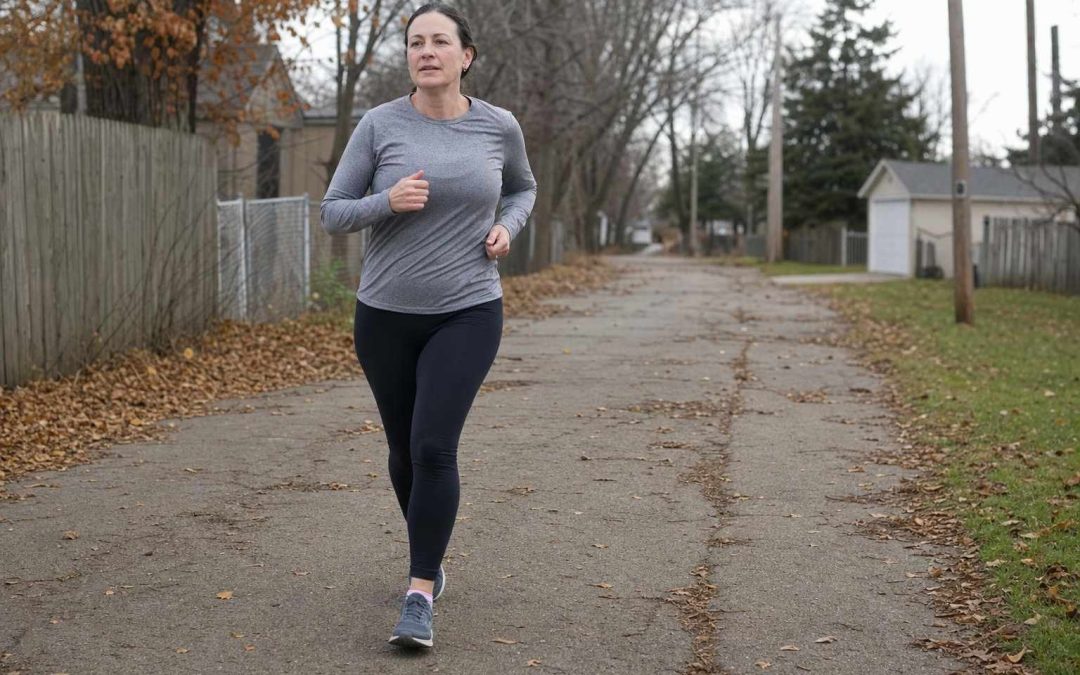
You do not need special clothing to start running, and almost anything you already own works for the first few weeks.
It turns out you can get running clothes wrong in both directions, and most beginners do.
The good news is the rules are simple. You need very little, and almost none of it has to be expensive.
You do not need a running wardrobe. You need a few comfortable pieces and one or two weather rules.
Do You Even Need Special Clothes?

For your first runs, not really. Whatever you already own for moving around will do the job.
The one thing worth upgrading early is fabric, not brand. A cheap technical shirt beats an expensive cotton one every time.
So start with what you have, and add pieces only when something actually bothers you.
The One Rule: Dress for Slightly Warmer
Here is the rule that fixes most beginner mistakes. Dress as if it is about 10 to 15 degrees warmer than the thermometer says.
You should feel a little cool when you step outside. Within a few minutes of running, your body heats up and that slight chill turns into just right.
If you feel cozy standing at the door, you will be too hot by the end.
Skip Cotton
Cotton soaks up sweat and holds it against your skin. That means a heavy, cold, clammy shirt and, on longer runs, chafing.
Technical fabrics wick moisture away so you stay drier and more comfortable. You do not need the priciest one. A basic moisture-wicking shirt is plenty.
This is the same idea as picking running shoes by comfort, not hype. Function first, logo never.
Cold Weather: Layers You Can Manage
Cold runs are about layers you can adjust, not one big heavy coat.
A simple cold-weather setup:
- A moisture-wicking base layer on top
- A light long-sleeve or vest over it if it is really cold
- Tights or long running pants
- A thin hat and light gloves, since hands and ears feel the cold first
You can always push sleeves up or take a hat off. You cannot shed a single thick jacket once you are a mile from home.
Hot Weather: Light and Visible
In heat, go light, loose, and pale. Dark, tight clothing traps heat you want to get rid of.
A breathable shirt, shorts, and a cap or sunglasses cover most of it. Add sunscreen for daytime runs.
Heat makes your body work harder, so slow down and drink more. There is more on staying hydrated on your runs.
Socks: The Cheap Upgrade That Matters
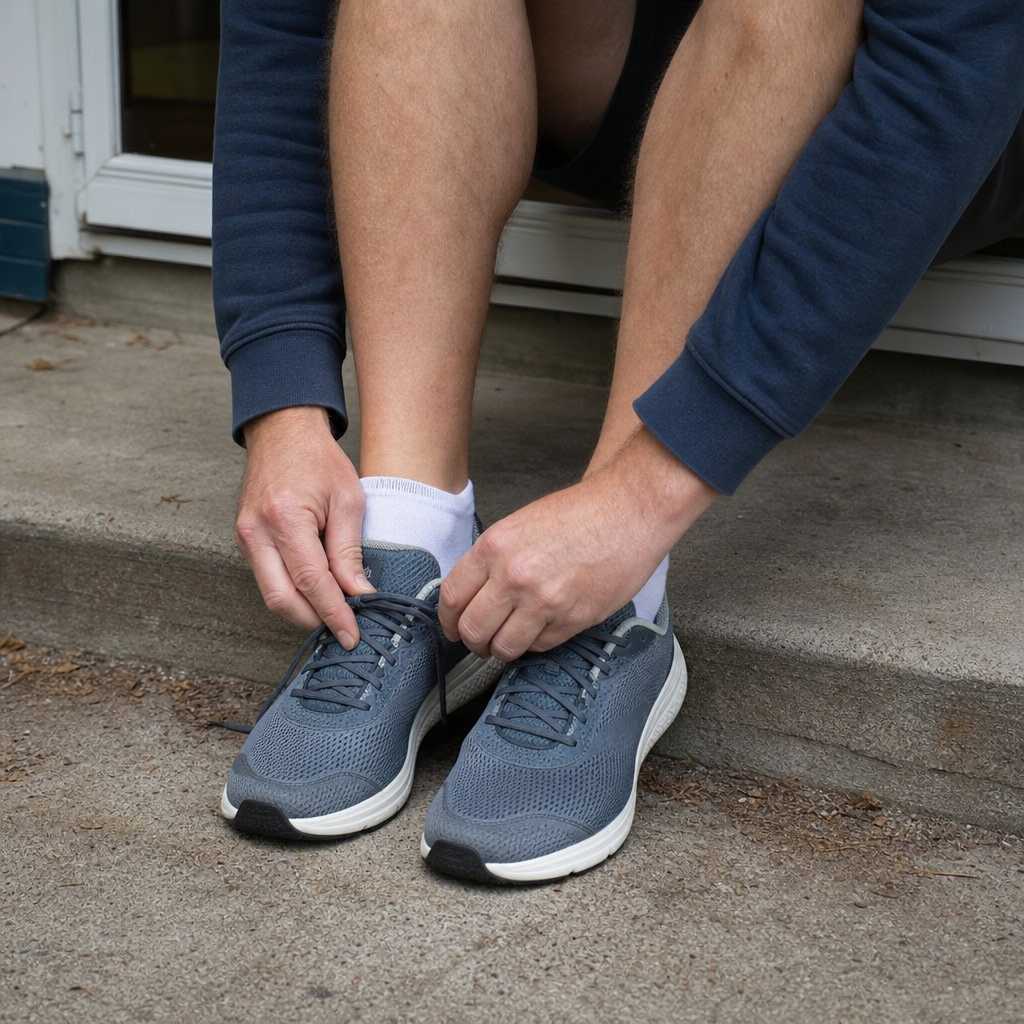
If you spend a little anywhere, spend it here. The wrong socks are the fastest way to a blister.
Skip cotton socks for the same reason as cotton shirts. Look for snug, moisture-wicking running socks that do not bunch.
It is a small thing that makes a real difference. You can compare moisture-wicking running socks on Amazon to see the range.
Keep It Simple
You do not need a closet full of gear to enjoy running. A wicking shirt, comfortable bottoms, decent socks, and one weather rule cover almost everything.
Wear what you have, dress for slightly warmer than it is, and adjust from there. If you are just getting going, a simple first-month plan matters far more than what you wear while doing it.