

Long-distance running lowers your risk of heart disease, diabetes, and stroke, and it carries real risks if you ramp up too fast.
According to the NHS, regular running improves heart health, weight, sleep, and mood, but most running injuries come from adding distance faster than the body can adapt.
Done sensibly, longer runs are one of the best things you can do for your body. Done in a rush, they are how people end up injured or scared off entirely.
Both sides are worth knowing before you lace up for something big.
What Long Runs Do For You

The benefits are real and well established, and most of them come from time spent at an easy, conversational pace rather than hard efforts.
Most of your distance running should sit at that easy, talkable pace. That is where the heart and endurance gains come from, and it is far kinder to your joints than grinding every run hard.
There is also the quieter benefit: a long, slow run is a reliable way to clear a busy head.
The Risks Worth Respecting
The risks almost always come from doing too much, too soon. Overuse injuries, sore knees, shin pain, and aggravated tendons are the common ones, and they nearly always trace back to a spike in distance.
There is a smaller but real cardiac risk too. Serious heart events during long races are rare, but they do happen, usually in people with an underlying condition they did not know about.
If you have a heart condition, a history of chest pain, or you have been inactive for years, talk to a doctor before training for serious distance. That is not fearmongering, it is just sensible.
Listen to your body while you run. Pinpoint pain in one spot means stop and check. A diffuse ache usually means ease off. Pushing through the first kind is how a niggle becomes an injury.
How to Get the Benefits Safely
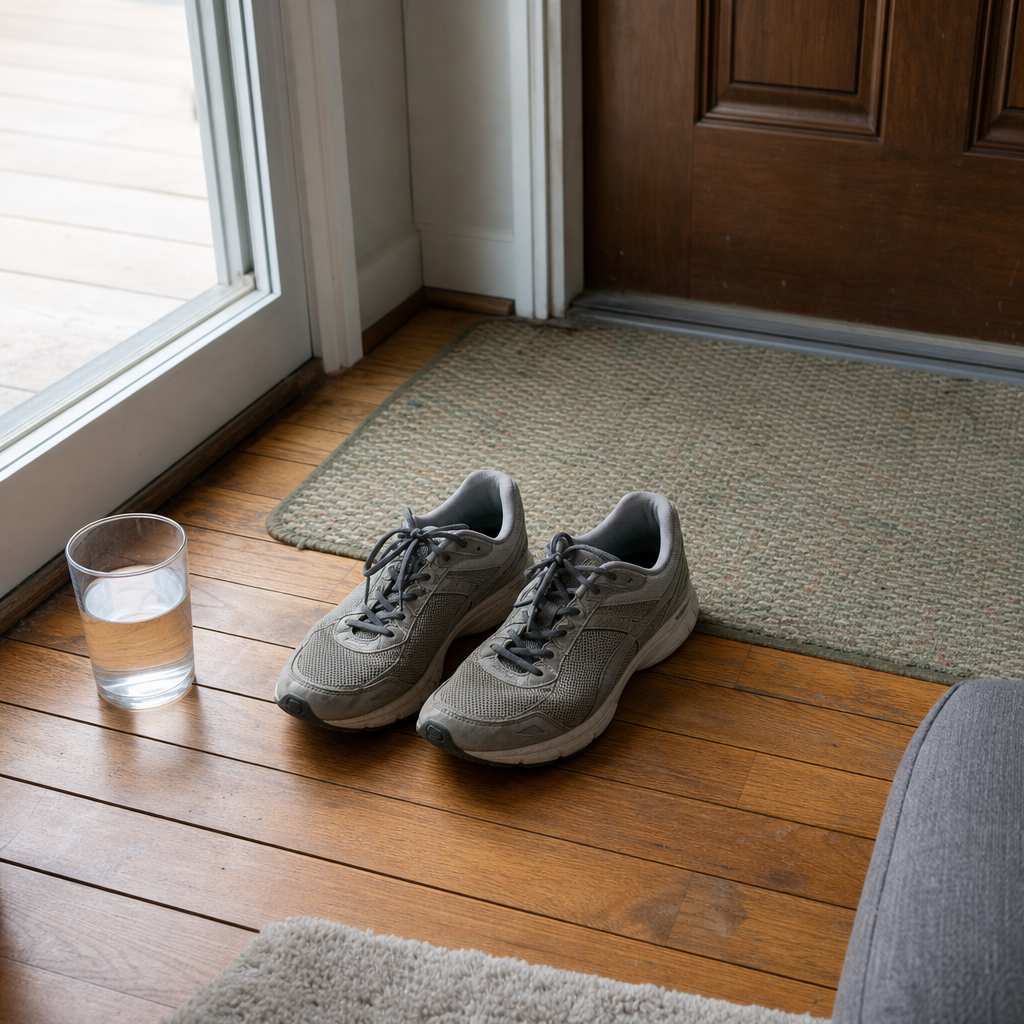
The good news is that the risks are mostly avoidable with a bit of restraint.
- Grow your weekly running slowly. Slow growth is the single best injury insurance there is.
- Keep most runs easy and conversational. Save hard efforts for once a week at most.
- Take rest days. They are when your body actually adapts and gets stronger.
- Stay fueled and hydrated on your longer runs, because dehydration makes everything feel harder than it is.
If you are building toward distance, the practical side is covered in tips on long-distance running, and it is worth reading how to prevent running injuries before you ramp up. Not ready for long stuff yet? Getting ready for a 5K race is a friendlier first goal.
Long-distance running is worth it. Just let your body arrive there on its own schedule, not your impatience.