
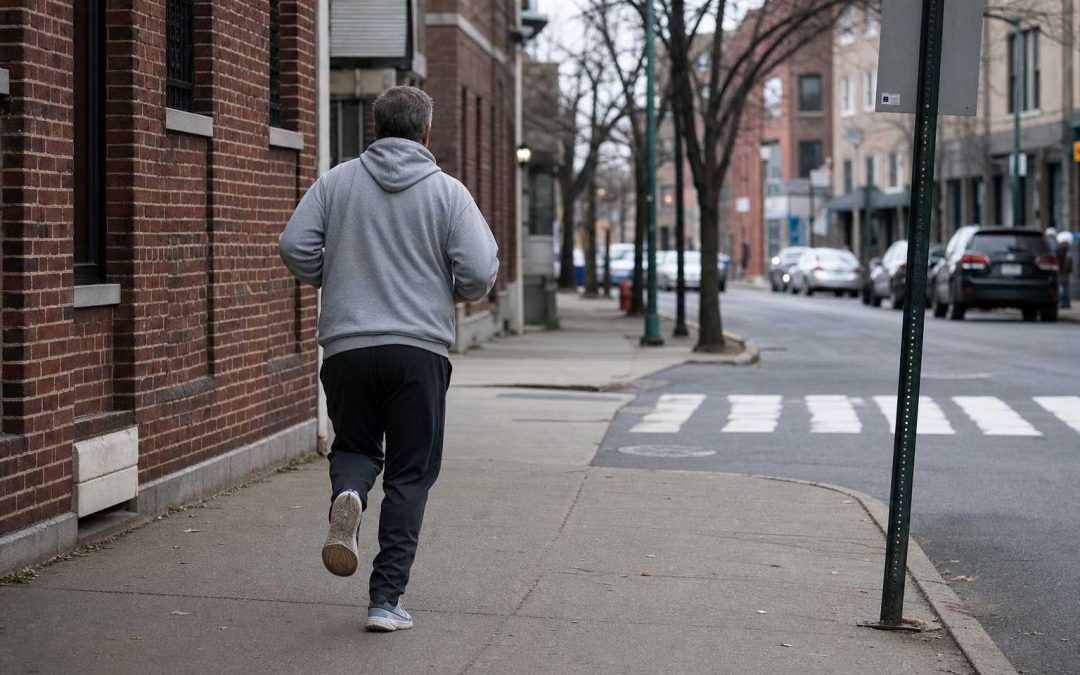
Coming back after time off is not the same as starting from zero, but your body will try to convince you it is.
Go out at your old pace and you will blow up within a mile and spend the next day sore and discouraged.
The comeback is its own skill, and rushing it is the classic mistake.
The good news is your fitness has not vanished, and it comes back faster than it first arrived. You just have to restart at the right size.
Your Fitness Dropped Less Than You Fear
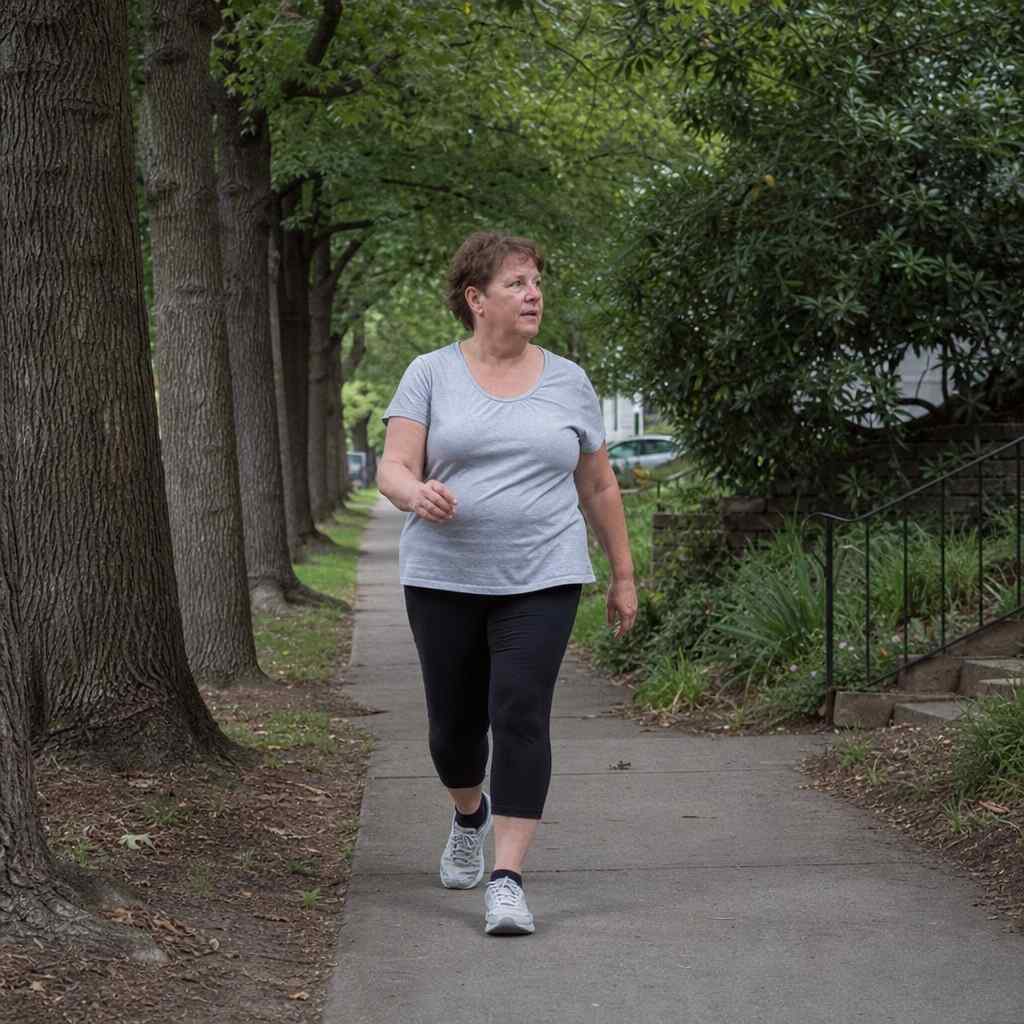
Time off feels like it erases everything. It does not.
Research on detraining shows aerobic fitness starts to slip within a couple of weeks of stopping. One often-cited study found about a 7 percent drop after less than two weeks off, with bigger losses building over the following months.
That is real, but it is not back to zero.
Better still, previously trained muscle tends to rebuild faster than it developed the first time. Your body remembers. The first weeks back are about reminding it, not starting from scratch.
Start at About Half of What You Remember
The biggest comeback error is picking up where you left off. Your heart and lungs recover quickly, but tendons, joints, and bones need longer to readjust.
A sensible rule is to restart at roughly half of your previous volume. If you used to run 20 miles a week, begin near 10 and build from there.
It will feel too easy. That is exactly right. Add no more than about 10 percent to your weekly running as you climb back.
Walk First, Then Run-Walk
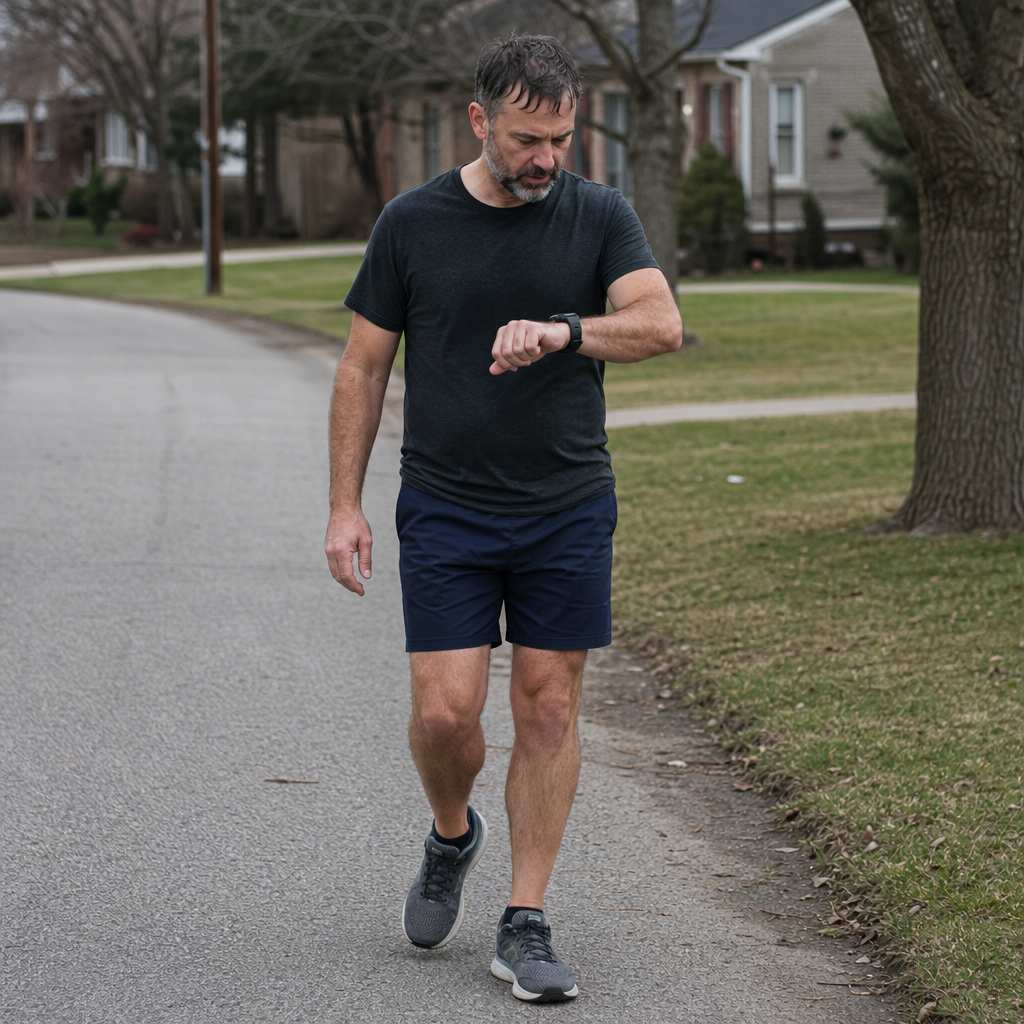
If the break was long, begin with walking.
Half-hour walks three times a week are a sane place to restart, and they put you most of the way to the UKK Institute’s recommendation of at least 2 h 30 min of moderate activity a week.
Mix running back in after a couple of easy weeks.
From there, run-walk intervals are the perfect comeback tool. They rebuild fitness while keeping the pounding low.
There is no rush to run continuously. The fitness comes back either way.
Do Not Race Your Old Self
This is the mental trap that sinks comebacks. You compare every run to the shape you were once in and feel like you are failing.
You are not failing. You are rebuilding, and the old fitness is a memory, not a starting line.
Comparing yourself to other runners online does the same damage. Run your own comeback at your own size.
Watch the Comeback Injury Trap
Returning runners get hurt for a specific reason. The cardio comes back fast, so you feel ready, and you ramp up before your tissues are.
Keep most runs easy, take rest days, and treat any sharp, pinpoint pain seriously. The same habits that prevent common running injuries matter double on a comeback.
When in doubt, do less this week. The fitness is patient.
Find a Reason That’s Yours
Motivation built on guilt rarely survives. A reason you actually care about does.
Maybe you want to feel better day to day, handle stress, or just enjoy moving again. Low-key, steady movement is also the smarter choice when life is already stressful, since the body does not separate physical strain from mental load.
Start with a walk, restart at half, and let it build. A simple first-month plan works just as well the second time around.