
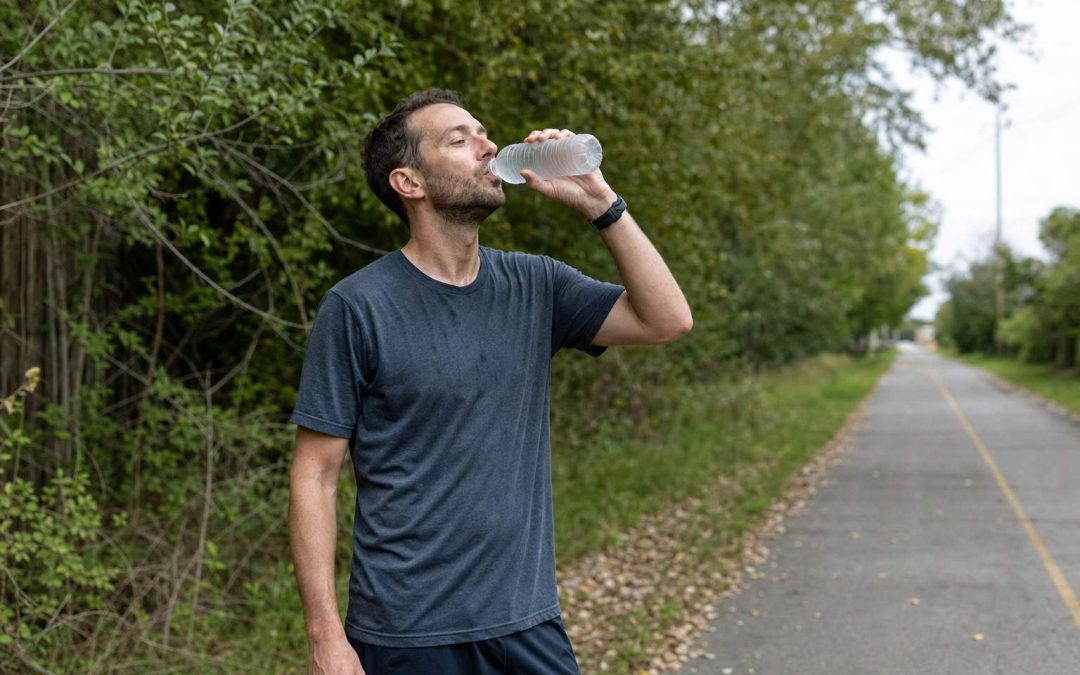
Hydration is one of those things runners overthink. On a hot day it matters, but for most ordinary runs your body is more forgiving than the sports-drink ads suggest.
Staying hydrated keeps your runs feeling good and your body safe. The good news is that for most everyday runs, it is simple.
You do not need sports drinks or a bottle in hand for a short jog. The bigger picture is how you drink across the whole day.
Hydration Starts Before You Run
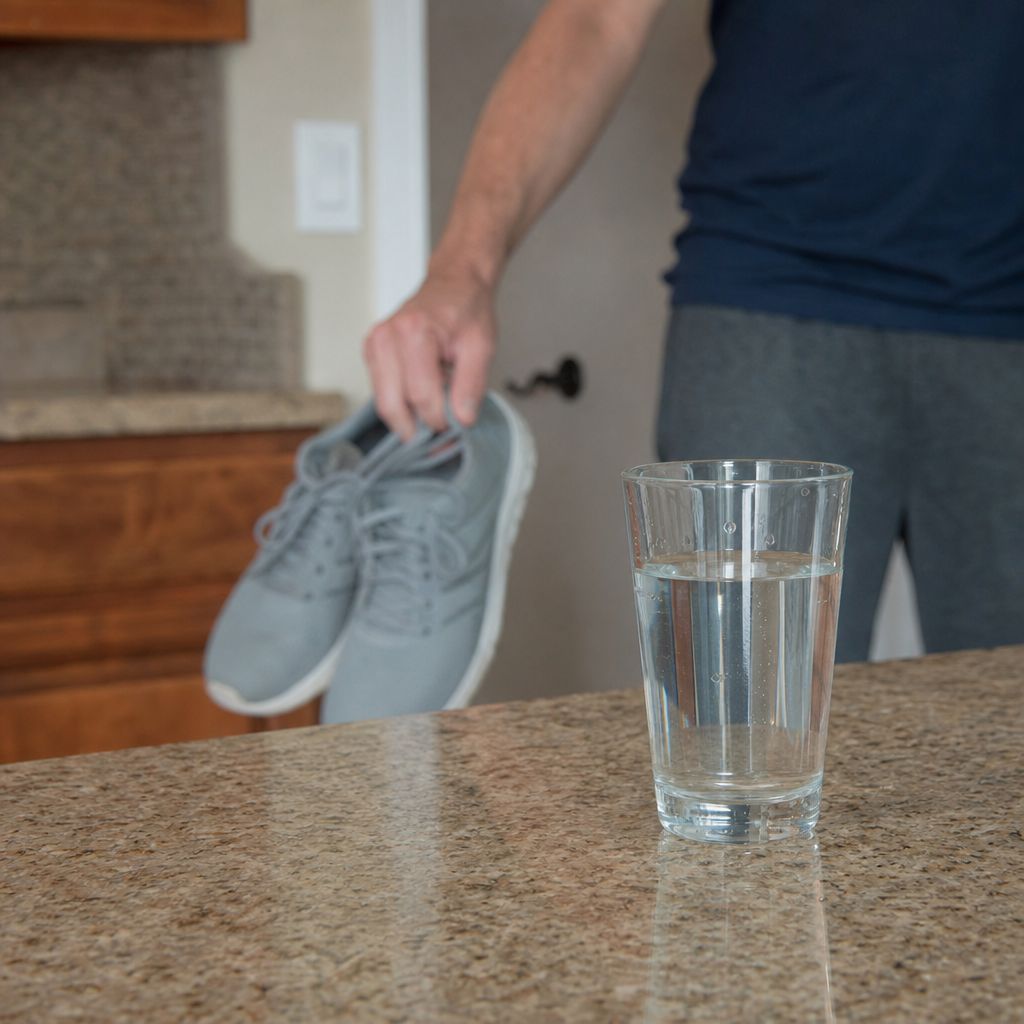
Good hydration is a daily habit, not a last-minute fix. If you drink normally through the day, you start most runs already topped up.
Have a glass of water in the hour or two before a run. Avoid gulping a large amount right before, which can slosh and upset your stomach.
Do You Need to Carry Water?
For easy runs under about 45 minutes, usually not. For longer runs, in heat, or if you sweat heavily, carrying water helps.
Sip small amounts regularly rather than waiting until you are parched.
A handheld bottle or a running hydration vest makes carrying water easy on longer outings. Choose whatever feels least annoying to wear.
Know the Signs of Dehydration
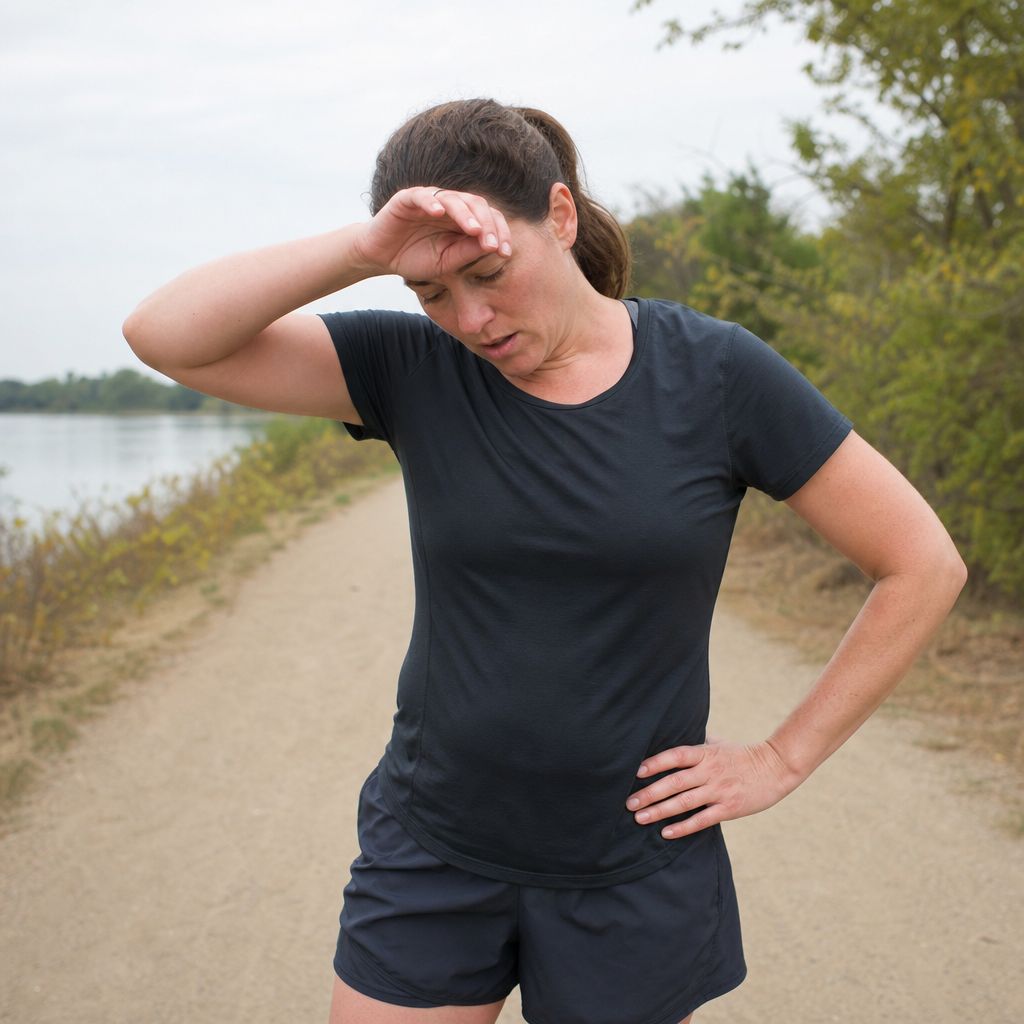
Your body gives early warnings:
- Thirst that keeps building
- A dry mouth and headache
- Dark yellow urine
- Feeling unusually tired or dizzy
If you feel dizzy or stop sweating on a hot day, stop and get fluids. That is not a run to push through. A headache can be an early, mild version of exactly this.
Hot Weather Needs Extra Care
Heat raises how much you sweat and how hard your body works. On hot days, slow down and drink more than usual.
Run in the cooler morning or evening when you can. There is no shame in shortening a run or taking walk breaks when it is hot.
Do You Need Sports Drinks?
For most runs, water is enough. Sports drinks mainly help on long efforts over an hour, when you lose more salt through sweat.
For everyday running, drink water and let real food cover the rest.
The Simple Version
Drink normally through the day, top up before you run, and carry water when runs get long or hot.
If you want to get more precise about how much you actually need, this deeper guide on hydration amounts is a good next read.
Pair good hydration with what you eat around your runs, and you have the fueling basics covered.