
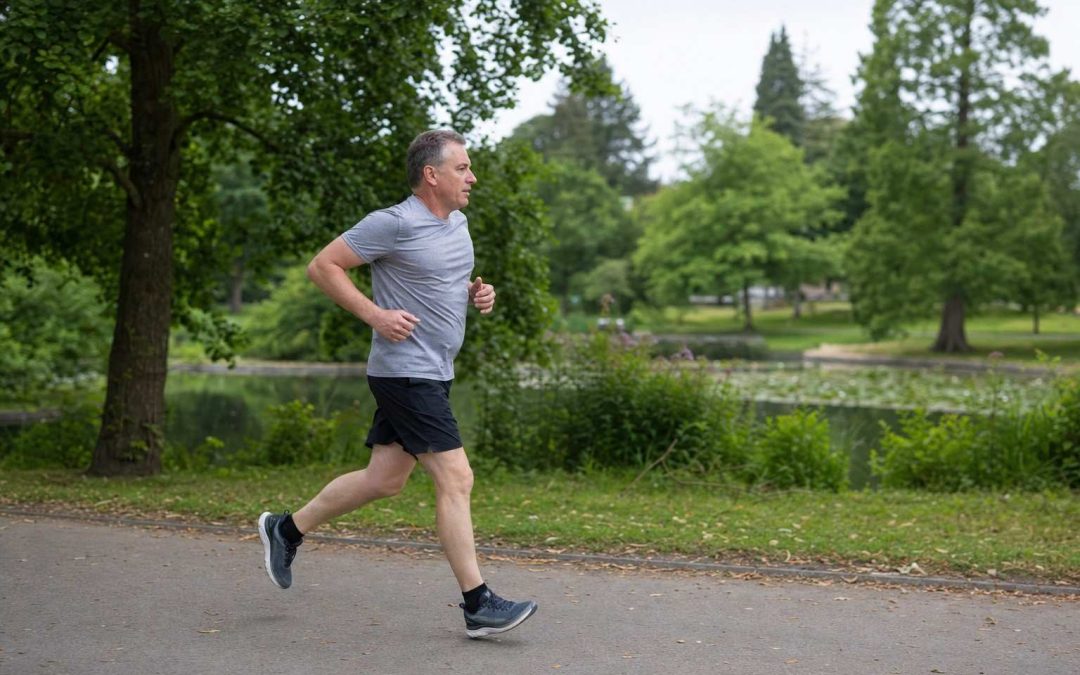
Plenty of runners hear a half-joking warning like “You’ll ruin your knees doing that.” The thought can follow you around for a few runs.
If you have heard the same warning, you are in good company. It might be the single most common reason people talk themselves out of running before they ever start.
So here is what the research actually says.
For most healthy people, running does not ruin your knees. If anything, it seems to look after them.
Where the “running ruins knees” idea comes from

The worry makes sense on the surface. Running loads your knees with every stride, so more strides sounds like more damage.
Your joints are living tissue, though, not a set of brake pads. They respond to sensible, regular use by staying healthier, not by wearing out.
Your knees are living tissue, not brake pads. Used sensibly, they tend to get stronger, not more worn.
The Arthritis Foundation makes a similar point: regular physical activity is one of the better things you can do for your joints, not one of the worst.
Movement keeps the muscles around the knee strong and the joint itself well supplied.
What a large research review found
This is the key part.
A 2017 systematic review in the Journal of Orthopaedic & Sports Physical Therapy gathered data from many studies on runners and arthritis.
It compared recreational runners, people who did not run at all, and competitive runners logging very high mileage for years.
The recreational runners had lower rates of hip and knee osteoarthritis than the people who did not run.
The rates only climbed among elite, high-mileage competitors with decades of very heavy training behind them. That is a different world from a beginner running a few easy miles a week.
According to that review, the everyday running most of us do sits in the protected range, not the risky one.
Then why do beginners get knee pain?
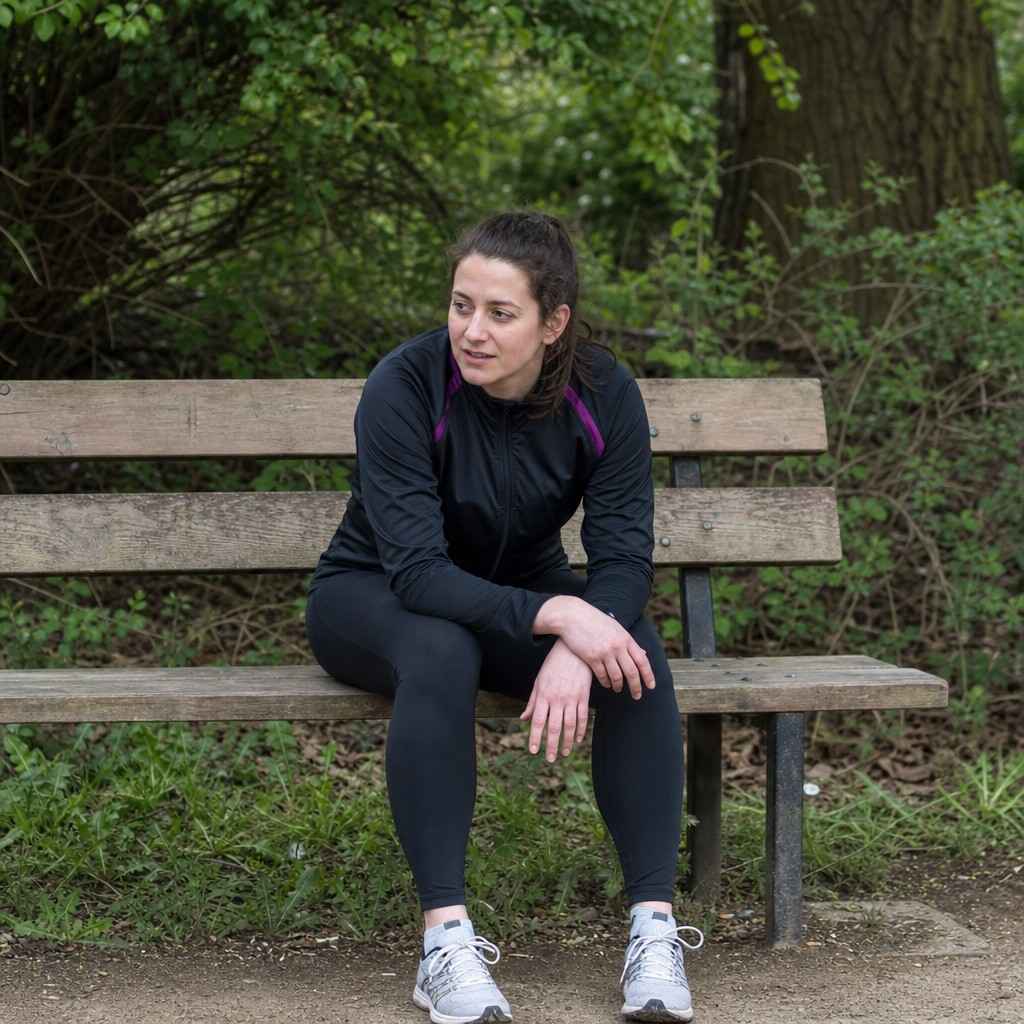
Plenty of new runners do feel knee pain, and it is worth being honest about that. The cause is usually how people start, not running itself.
Most beginner knee pain comes from doing too much, too soon. The muscles get keen before the tendons, ligaments, and cartilage have caught up. Those tissues adapt more slowly, and they protest when the workload jumps.
This is why the standard advice is to build up gradually. Adding no more than about 10 percent to your weekly running gives your knees time to keep pace. There is more on this under preventing common running injuries.
Pace helps as well. Keeping your easy runs slow enough to hold a conversation takes a real load off the joint while your body adapts.
Normal soreness or a real problem?
Learning to read your own knees is a skill that comes quickly.
General soreness in the muscles around the knee a day after a run is usually nothing to worry about. It feels dull, sits in the muscle, and eases as you move around.
Pain inside the joint is the one to respect. Sharp pain, swelling, pain that gets worse partway through a run, or pain that changes how you walk all deserve attention.
A simple rule: pinpoint pain in one spot means stop and check, while a diffuse ache usually just means ease off.
If a knee pain worries you or does not settle, see a doctor, especially if you have an old injury or a diagnosed joint condition.
How to keep your knees happy as a beginner
The reassuring part is that the things that protect your knees are the same things that make you a better runner.
- Walk before you run. A couple of weeks of brisk walking gives your joints a gentle start.
- Begin with run/walk intervals. There is no rule that says you must run the whole way, and walking during a run is pacing, not failure.
- Build slowly. The 10 percent guideline is there for a reason.
- Run easy. Conversation pace most of the time.
- Take rest days. The adaptation that protects your knees happens between runs, not during them.
Comfortable shoes help too, though not in the way the ads suggest. You do not need the priciest pair, just one that fits and feels good from the first step.
If you want a starting point, you can compare beginner running shoes on Amazon, then try a pair on and trust how your feet feel.
Where this leaves you
Healthy knees do not break because you took up running. They struggle when running arrives too fast, and that part is yours to control.
Start slow, build gradually, and treat any sharp joint pain with respect. Do that, and the evidence says your knees are far more capable than that old warning suggests.
If you are ready to begin, a simple first-month running plan is the safest way in.